Safety Guidelines in Woodworking
Avoid The Biggest Shop Setup Mistakes

- Reduce costly upgrades by buying the right tools the first time
- Handle dust, ventilation, and airflow without complicated installations
- Skip hours of research by using a proven tool shortlist
Woodworking involves various tools and materials that present physical risks. It is crucial to wear proper personal protective equipment (PPE) such as goggles, gloves, and ear protection to minimize accidents. These items protect against debris, sharp edges, and loud noises that are often present in a workshop. Additionally, understanding the safety features of each tool is important. Knowing how to operate tools properly can prevent injuries and ensure a safer working environment.
Another essential aspect of safety is maintaining a clean and organized workspace. Clutter increases the likelihood of accidents by making it difficult to navigate and find necessary tools. Regularly sweeping or vacuuming up sawdust and debris will help keep the area safe. Establishing a habit of returning tools to their designated locations after use can also contribute to an overall safer environment. Creating a routine can minimize distractions and allow for more focus on the task at hand.
Important Safety Practices to Follow
A proper understanding of safety is crucial when engaging in woodworking activities. Always wear appropriate personal protective equipment (PPE), such as safety goggles, ear protection, and dust masks, to safeguard against flying debris and harmful dust particles. It is also essential to keep long hair tied back and to wear fitted clothing to avoid any accidental entanglement with machinery.
Before starting any project, familiarize yourself with the tools and equipment to be used. Ensure that your workspace is free of clutter to minimize the risk of accidents. Following the manufacturer’s instructions for each tool will help prevent mishaps. Additionally, maintaining a safe distance from others while operating equipment ensures that everyone remains protected from potential dangers.
Best Practices for Organizing Your Workspace
A well-organized workspace enhances efficiency and safety during woodworking projects. Start by establishing designated areas for different activities, such as cutting, sanding, and assembly. Use sturdy shelving or storage bins to keep tools and materials within easy reach while avoiding clutter on work surfaces. Labeling containers can help maintain order and ensures that you can quickly find what you need without wasting time searching.
Maintaining cleanliness is crucial to prevent accidents and ensure a smooth workflow. Regularly clear away sawdust and debris from your workspace. This practice not only creates a safer environment but also contributes to the longevity of your tools. Invest in a good vacuum or a broom to easily manage waste. Encourage an organized mindset by setting aside a few minutes at the end of each session to tidy up before leaving.
Tips for a Tidy and Efficient Work Area
Keeping your workspace organized is essential for both safety and productivity. Start by designating specific areas for different tasks. This might include sections for cutting, assembling, and finishing. Use toolboxes or pegboards to store hand tools, making them easily accessible and preventing clutter on your workbench. Regularly returning tools to their designated spots after use can streamline your workflow and minimize distractions.
Additionally, maintain a clean environment by regularly sweeping up sawdust and debris. Not only does this contribute to safety by reducing slip hazards, but it also allows for better visibility when working. Consider utilizing storage bins for larger materials and offcuts; this keeps them out of the way until needed. By prioritizing organization, you’ll create an efficient workspace that supports your learning and enhances your woodworking experience.
The Tool List You Actually Need
- Follow ready-to-use layouts for garages, basements, sheds, and corners
- Choose between hand tools and power tools based on your projects
- Plan lighting and electricity around your layout for safer work
What to Expect in Your First Class
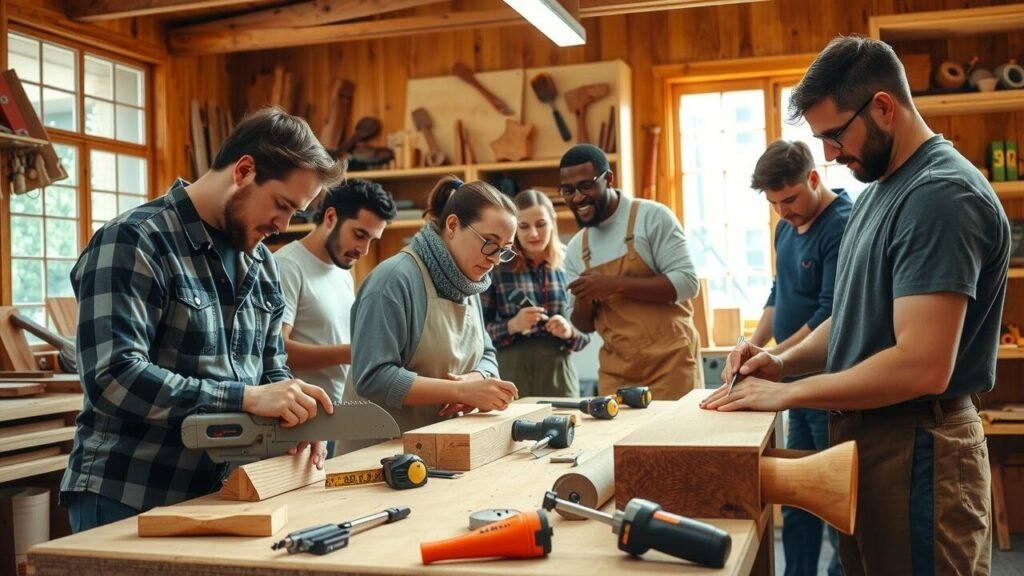
Entering a beginner woodworking class can be both exciting and a bit intimidating. Most classes begin with an introduction to the tools, equipment, and safety protocols. Instructors typically provide a tour of the workspace, emphasizing essential safety practices. Expect a mix of demonstrations and hands-on activities, allowing participants to grasp the basics of woodworking techniques.
As you settle into the class routine, be prepared for varying skill levels among your peers. Instructors often encourage collaboration and sharing of ideas, creating a supportive environment for learning. Class time usually includes structured projects tailored to beginners, so you can anticipate gradually building your skills throughout the session. Engaging in discussions about design choices and challenges faced may arise, enhancing the overall learning experience.
Overview of Typical Class Structure
In a beginner woodworking class, participants can expect a structured approach to learning. The instructor often begins with a brief introduction to basic woodworking concepts and safety protocols. This initial overview sets the foundation for what students will manage throughout the course. After that, the class typically moves on to practical demonstrations, showcasing essential techniques and tool usage.
Following the demonstrations, students usually engage in hands-on practice. Participants may work on a simple project that incorporates the skills covered in the initial lessons. This project-focused approach ensures that students apply what they’ve learned while receiving guidance and feedback from the instructor. Time is often allocated for questions, promoting a deeper understanding and fostering a supportive learning environment.
FAQS
What tools should I bring to a beginner woodworking class?
For a beginner woodworking class, it’s recommended to bring basic hand tools such as a tape measure, square, saw, and chisels. You should also check with your instructor for any specific tools required for the class.
Do I need to wear personal protective equipment (PPE) during the class?
Yes, wearing PPE is essential for safety in woodworking. Make sure to bring safety glasses, ear protection, and a dust mask or respirator to protect yourself from debris and noise.
Should I take notes during the class?
Yes, taking notes can be very helpful. Bring a notebook and pen to jot down important tips, techniques, and instructions provided by your instructor.
Is it necessary to organize my workspace in the class?
Yes, organizing your workspace is important for safety and efficiency. A tidy area allows you to work more effectively and reduces the risk of accidents.
What can I expect in my first woodworking class?
In your first woodworking class, you can expect an overview of basic woodworking techniques, safety protocols, and an introduction to the tools you’ll be using. Classes typically include hands-on practice and guidance from an instructor.
Related Links
Woodworking Classes for Beginners: Go From Zero Skills to Your First Build
Beginner Woodworking Skill Path: What to Learn in the First 30 Days
How to Pick a Beginner Class Based on Your Goals (Furniture, Gifts, Selling)
Beginner Class Mistakes: What to Ask Before You Enroll
After Your First Class: The Best Practice Projects to Build Next
Beginner Class vs Self-Teaching: Which Gets Results Faster?
Beginner Woodworking Class Checklist: What You Should Learn First
Best Beginner Woodworking Topics: Safety, Measuring, and Joinery
How to Choose a Beginner Woodworking Class That’s Actually Helpful
Woodworking Classes for Beginners: Start Confidently Without Feeling Lost
Turn Any Spare Space Into Shop
- Follow ready-to-use layouts for garages, basements, sheds, and corners
- Get shopping lists for hand-tool only setups and mixed tool shops
- Set up a shop you’ll actually enjoy working in