Choosing the Right Materials for Your Projects
Avoid The Biggest Shop Setup Mistakes

- Reduce costly upgrades by buying the right tools the first time
- Handle dust, ventilation, and airflow without complicated installations
- Skip hours of research by using a proven tool shortlist
Selecting the right materials is pivotal to any woodworking project. When starting out, it’s beneficial to familiarize yourself with various types of wood available. Softwoods, such as pine and cedar, are often more accessible and easier to work with, making them ideal for beginners. Hardwoods, like oak and maple, offer durability and a refined finish but can be more challenging to manipulate and typically come at a higher cost.
In addition to wood, consider other materials like adhesives, finishes, and hardware. Each project may require a specific type of glue or finish to achieve the desired results. Research the characteristics of different finishes, such as oil, varnish, or polyurethane, as they can influence not only the look of your project but also its longevity. Understanding these materials will empower you to make informed decisions and enhance the overall quality of your creations.
A Guide to Selecting Wood Types for Beginners
When starting out in woodworking, it is essential to understand the different types of wood available and their unique characteristics. Softwoods, such as pine and cedar, are often recommended for beginners due to their workability and availability. They are lighter and easier to cut, making them ideal for simple projects like birdhouses or shelves. Hardwoods, on the other hand, like oak and maple, offer durability and a rich appearance but may require more advanced techniques to work with effectively.
Selecting the right wood type also involves considering the purpose of your project. If you are creating furniture or objects that require strength, hardwoods will provide the resilience needed. For decorative pieces or toys, softer woods might be preferable to keep costs down and maximize ease of crafting. Additionally, understanding the grain patterns and finishing capabilities of each wood type can enhance the final outcome, allowing for a more personalized and visually appealing result in your woodworking endeavors.
Creative Project Ideas for New Woodworkers
Starting with small and manageable projects can greatly enhance a beginner’s woodworking skills. Simple items like a birdhouse or a small shelf provide an excellent way to practice basic techniques such as measuring, cutting, and assembling. These projects allow new woodworkers to gain familiarity with tools while contributing something functional and visually appealing to their living space.
As you build confidence, consider branching out into slightly more complex creations such as a simple coffee table or a wooden toy. These projects not only challenge your growing skill set but also introduce new concepts like joinery and finishing techniques. Engaging in creative endeavors helps reinforce your understanding of the craft, sparking new ideas and inspiring continued learning.
Simple Projects That Build Skills and Confidence
Starting with simple projects can help beginners grasp essential woodworking skills quickly. A birdhouse is often a popular choice, as it introduces basic techniques such as measuring, cutting, and assembly with minimal complexity. This project also requires little material, making it budget-friendly. Another excellent option is a small shelf, which allows for the exploration of joinery and finishing techniques. With each completed project, beginners gain a sense of accomplishment that builds their confidence to tackle more elaborate creations.
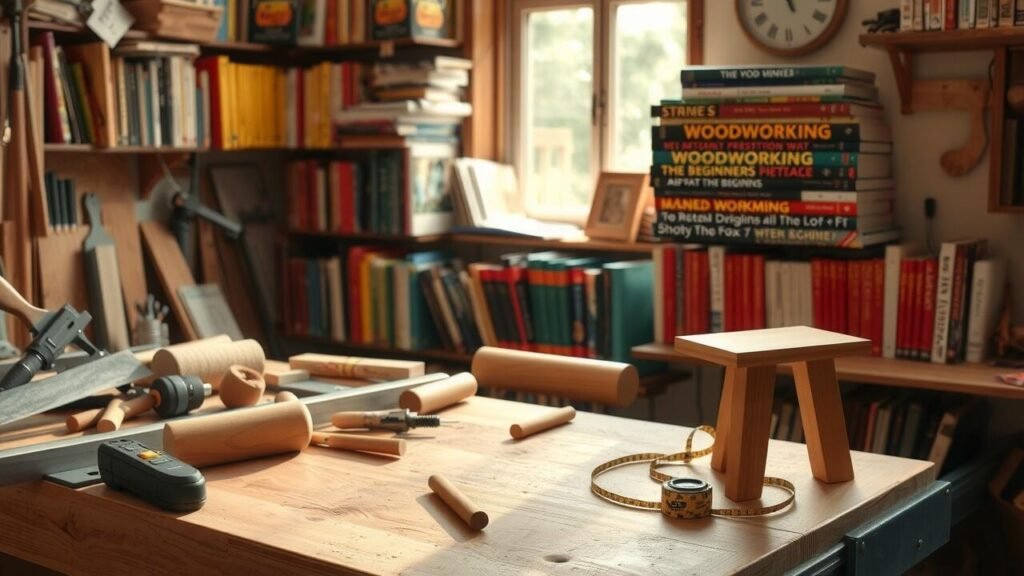
As new woodworkers progress, they may want to try building a simple stool or a picture frame. These projects teach crucial skills while also being functional and aesthetically pleasing. Many of these tasks can be completed using just a few hand tools, which helps beginners become comfortable with their equipment. Over time, working through these manageable projects fosters a deeper understanding of woodworking principles, paving the way for more complex designs in the future.
The Tool List You Actually Need
- Follow ready-to-use layouts for garages, basements, sheds, and corners
- Choose between hand tools and power tools based on your projects
- Plan lighting and electricity around your layout for safer work
Joining Woodworking Communities and Forums
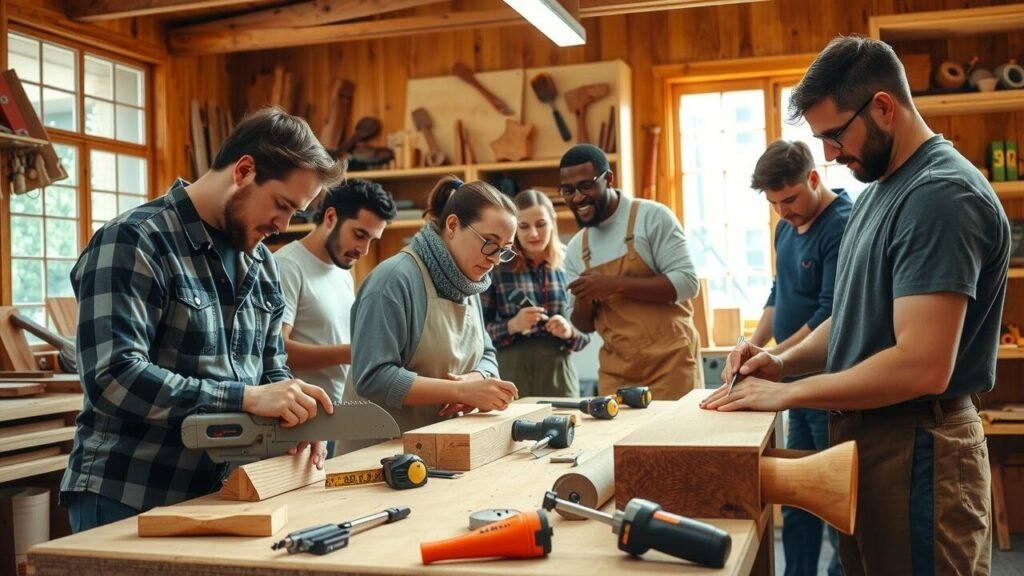
Engaging with fellow woodworkers can significantly enhance your learning experience. Many online platforms and local woodworking groups provide a space for enthusiasts to share their projects, ask questions, and exchange tips. These communities often host discussions where you can gain invaluable insights from experienced artisans. Participating in forums allows you to learn from others’ successes and mistakes, helping you avoid common pitfalls as a novice.
Connecting with woodworking enthusiasts fosters a sense of belonging that can be motivating. You will find inspiration in diverse projects showcased by peers, which can spark your creativity. Many communities also organize events, workshops, or meet-ups that enable hands-on learning and social interaction. Such engagements not only improve your skills but also build lasting relationships within the woodworking community.
Benefits of Engaging with Fellow Woodworkers
Connecting with others who share a passion for woodworking can significantly enhance your learning experience. Engaging with fellow woodworkers provides opportunities to exchange ideas, techniques, and tips that may not be readily available in books or online resources. Participating in discussions, whether in person or through online forums, allows new woodworkers to seek advice on specific challenges they face. The insights gained from more experienced craftsmen can be invaluable, helping beginners avoid common pitfalls and improve their skill sets.
Community engagement fosters a supportive environment where members celebrate each other’s successes. Sharing progress and showcasing completed projects can be encouraging and motivating. Moreover, participating in group workshops or local meetups cultivates lasting friendships and creates a sense of belonging. This camaraderie not only enriches the woodworking experience but also inspires creativity, pushing individuals to tackle more complex projects with newfound confidence.
FAQS
What should I look for when choosing materials for my woodworking projects?
When selecting materials, consider factors such as the type of wood, its grain pattern, and how easy it is to work with. Beginners often benefit from softer woods like pine or poplar, which are easier to cut and shape.
Are there specific wood types that are recommended for beginners?
Yes, some beginner-friendly wood types include pine, poplar, and birch. These woods are readily available, affordable, and relatively easy to work with, making them ideal for novice woodworkers.
What are some simple woodworking projects I can start with?
Some simple projects include birdhouses, picture frames, and small shelves. These projects not only help build your skills but also allow you to create functional and aesthetically pleasing items.
How can I find woodworking communities and forums?
You can find woodworking communities and forums online through social media platforms, dedicated websites, and local woodworking clubs. Engaging in these communities can provide support, advice, and inspiration.
What are the benefits of joining a woodworking community?
Joining a woodworking community allows you to connect with fellow woodworkers, share experiences, seek advice, and gain feedback on your projects. It can also enhance your learning experience and motivate you to continue improving your skills.
Related Links
Woodworking Classes for Beginners: Go From Zero Skills to Your First Build
Beginner Woodworking Skill Path: What to Learn in the First 30 Days
How to Pick a Beginner Class Based on Your Goals (Furniture, Gifts, Selling)
Beginner Class Mistakes: What to Ask Before You Enroll
What to Bring to a Beginner Woodworking Class (Tools, PPE, Notes)
After Your First Class: The Best Practice Projects to Build Next
Beginner Class vs Self-Teaching: Which Gets Results Faster?
Beginner Woodworking Class Checklist: What You Should Learn First
Best Beginner Woodworking Topics: Safety, Measuring, and Joinery
How to Choose a Beginner Woodworking Class That’s Actually Helpful
Turn Any Spare Space Into Shop
- Follow ready-to-use layouts for garages, basements, sheds, and corners
- Get shopping lists for hand-tool only setups and mixed tool shops
- Set up a shop you’ll actually enjoy working in