Mastering Joint Types
Avoid The Biggest Shop Setup Mistakes

- Reduce costly upgrades by buying the right tools the first time
- Handle dust, ventilation, and airflow without complicated installations
- Skip hours of research by using a proven tool shortlist
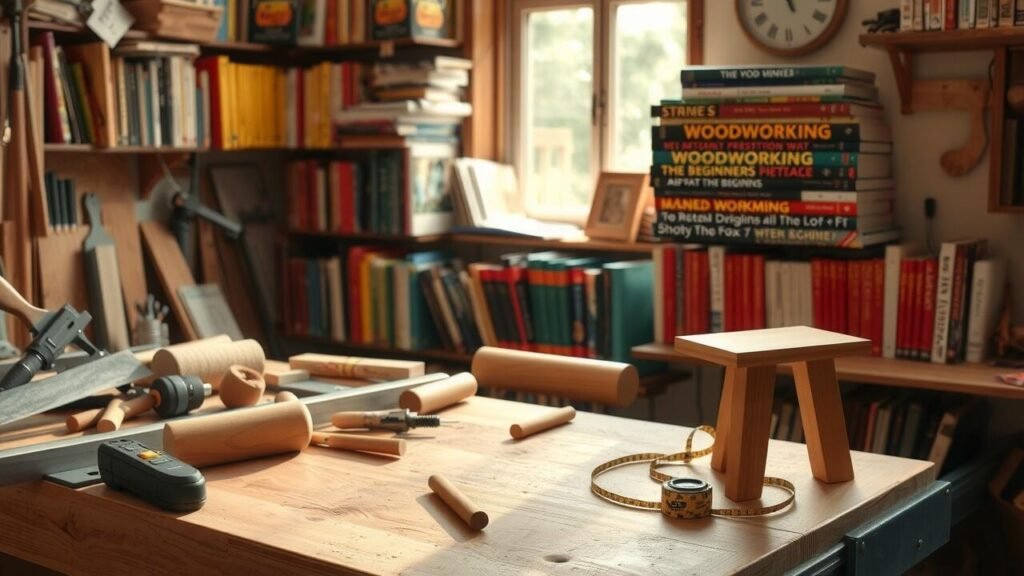
Understanding joinery is a fundamental skill in woodworking that significantly impacts the strength and aesthetic of projects. Various types of joints, such as butt, miter, and dovetails, each serve unique purposes. Familiarity with these options allows woodworkers to choose the right joint for specific applications, enhancing both structural integrity and visual appeal. Mastery of these techniques can empower a beginner to confidently approach a range of projects, from simple frames to more complex furniture designs.
Practicing these joint types is essential for honing precision and craftsmanship. Each joint requires different tools and techniques, encouraging learners to experiment and develop their own style. Attention to detail is crucial; even minor mistakes can affect the overall quality of the work. By dedicating time to practice these essential joinery methods, beginners can lay a strong foundation for their woodworking journey, ultimately leading to improved skills and more ambitious projects in the future.
Overview of Basic Joinery Techniques
Joinery is a fundamental skill in woodworking that involves techniques for connecting two or more pieces of wood. Understanding the basic joints allows beginners to create a solid foundation for their projects. Common types of joints include butt joints, lap joints, and mortise and tenon joints. Each type has its own applications and strengths. For example, butt joints are simple to create but may require additional reinforcement for strength, while mortise and tenon joints provide a sturdy connection suited for more intricate furniture designs.
Learning to execute these joints accurately enhances overall craftsmanship. Precision in cutting and fitting is crucial for ensuring that joints fit snugly without gaps. Applying techniques such as proper measuring, marking, and tool handling will go a long way in developing skills. As beginners gain confidence in creating basic joints, they can explore more advanced techniques. This progression helps to ensure that woodworking remains an approachable and rewarding hobby.
Sanding Techniques
Sanding is a crucial step in woodworking that enhances the appearance and feel of a project. It prepares the surface for finishing by removing imperfections, roughness, and old finishes. Different sanding techniques vary depending on the type of wood and the desired outcome. Hand sanding often provides more control and allows you to pay attention to intricate areas, while power sanders can expedite the process on larger surfaces. Both methods require careful attention to ensure that the wood grain is not damaged.
When approaching sanding, selecting the proper tools and grit is essential for achieving a smooth finish. Starting with a coarse grit helps to remove rough edges, progressing to finer grits as the surface becomes smoother. For most woodworking projects, a sequence that moves from 80-grit to 220-grit is effective. Always sand in the direction of the wood grain to prevent scratches and ensure an even finish. Keeping your sandpaper clean from dust buildup also prolongs its lifespan and effectiveness.
Choosing the Right Grit
Selecting the appropriate grit for your sanding project can significantly affect the final result of your woodwork. Start with a coarser grit, such as 80 or 100, for initial shaping or removing old finishes. This rougher texture helps efficiently tackle uneven surfaces, allowing for a smoother foundation before moving on to finer grits.
Once the basic shaping is complete, progress to medium grits like 120 or 150 to refine the surface. This step helps eliminate the scratches left by the coarser grits and prepares the wood for final sanding. Finally, using a finer grit such as 220 or higher will enhance the surface smoothness, providing an excellent finish that will complement your chosen finish later on. Understanding this progression ensures that your project will not only look good but also feel great to the touch.
The Tool List You Actually Need
- Follow ready-to-use layouts for garages, basements, sheds, and corners
- Choose between hand tools and power tools based on your projects
- Plan lighting and electricity around your layout for safer work
Finishing Your Projects
Completing a woodworking project involves more than just assembling and sanding. The finishing process is crucial for enhancing the aesthetic appeal and durability of the wood. Various wood finishes are available, each offering different benefits. These can range from varnishes and stains to oils and shellacs. Understanding how each option impacts the wood’s appearance and protection level is essential for making an informed choice.
Applying a finish requires careful preparation and technique. Start by ensuring the surface is clean and free of dust. Using proper tools, such as brushes or cloths, can make a significant difference in the application method. Multiple coats might be necessary for achieving the desired finish and depth of color. Always allow adequate drying time between applications to ensure the finish adheres properly and achieves a smooth, even look.
Types of Wood Finishes
Wood finishes play a vital role in enhancing the appearance of your projects while providing protection against wear and environmental damage. There are a variety of finishes available, each with unique characteristics and applications. Varnish offers strong durability and a high-gloss look, making it a popular choice for furniture and high-traffic areas. Stains are great for enhancing the natural grain of the wood, allowing you to achieve different colors and tones while still showcasing the material’s beauty.
Other options include oils, such as tung oil and linseed oil, which penetrate the wood and provide a natural finish that emphasizes the grain. Shellac is a traditional finish that dries quickly and creates a warm, amber hue, while polyurethane offers excellent resistance to moisture and scratches. Each finish requires specific application techniques, drying times, and maintenance considerations. Understanding these types will help you select the right finish for your woodworking projects.
FAQS
What are the most common types of joints used in woodworking?
The most common types of joints include butt joints, miter joints, dovetail joints, and lap joints. Each type has its own application and strength characteristics.
Why is sanding important in woodworking?
Sanding is crucial because it helps smooth the surface of the wood, removes imperfections, and prepares the wood for finishing, ensuring that the final project looks polished and professional.
How do I choose the right grit for sanding?
Start with a coarser grit (such as 80 or 120) to remove material and imperfections, then gradually move to finer grits (like 220 or higher) for a smooth finish. The choice of grit depends on the type of wood and the desired finish.
What types of wood finishes should I consider for my projects?
Common types of wood finishes include oil-based finishes, water-based finishes, shellac, varnish, and polyurethane. The choice of finish depends on the look you want to achieve and the level of protection needed for the wood.
Is it necessary to take a woodworking class before starting projects on my own?
While it is not strictly necessary, taking a woodworking class can provide valuable hands-on experience, teach you essential techniques, and help you avoid common beginner mistakes, making your woodworking journey more enjoyable and successful.
Related Links
Woodworking Classes for Beginners: Go From Zero Skills to Your First Build
Beginner Woodworking Skill Path: What to Learn in the First 30 Days
How to Pick a Beginner Class Based on Your Goals (Furniture, Gifts, Selling)
Beginner Class Mistakes: What to Ask Before You Enroll
What to Bring to a Beginner Woodworking Class (Tools, PPE, Notes)
After Your First Class: The Best Practice Projects to Build Next
Beginner Class vs Self-Teaching: Which Gets Results Faster?
Best Beginner Woodworking Topics: Safety, Measuring, and Joinery
How to Choose a Beginner Woodworking Class That’s Actually Helpful
Woodworking Classes for Beginners: Start Confidently Without Feeling Lost
Turn Any Spare Space Into Shop
- Follow ready-to-use layouts for garages, basements, sheds, and corners
- Get shopping lists for hand-tool only setups and mixed tool shops
- Set up a shop you’ll actually enjoy working in