Seasonal Considerations
Start Building Even Without Fancy Tools
- Follow step-by-step instructions that don’t skip crucial details
- Build at your own pace and grow your skills project by project
- Cut down on costly do-overs with better planning and diagrams
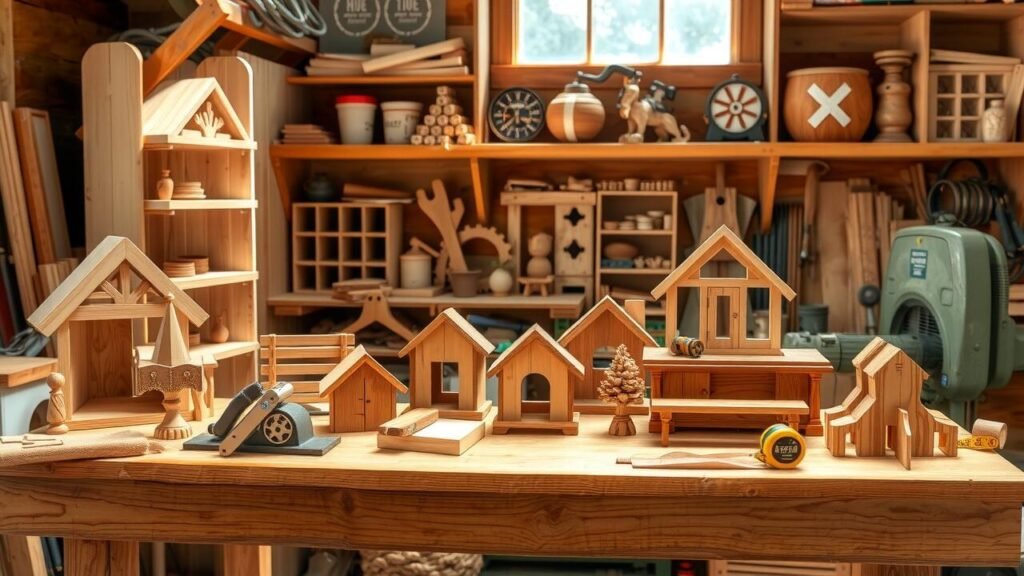
Different seasons bring varying consumer interests and demands. During spring and summer, customers often seek lighter, more colorful items that evoke feelings of warmth and rejuvenation. On the other hand, fall and winter months typically see a rise in demand for cozy, warm products and festive decor. Assessing past sales data can be beneficial in determining what items performed well during particular seasons, enabling sellers to stock their inventory accordingly.
Events and holidays also play a crucial role in shaping inventory needs. For instance, around Valentine’s Day, handcrafted gifts like cards and jewelry might see increased interest, while Halloween can prompt a surge in demand for decorations and costumes. Being mindful of these seasonal fluctuations allows crafters to optimize their inventory and cater to customer preferences effectively. Adjusting production schedules and planning ahead can help ensure a successful craft show experience, regardless of the time of year.
Adjusting Inventory for Different Times of the Year
Different seasons bring unique themes and preferences that can influence what customers are looking for at craft shows. For instance, spring often calls for lighter, vibrant designs that reflect the blooming environment. In contrast, fall may lead to an increased demand for cozy, earthy tones and seasonal motifs. Holidays like Christmas and Halloween also create opportunities to tailor products, with shoppers seeking festive decorations and gifts. Being mindful of these shifts helps ensure that inventory resonates with buyers.
Understanding local culture and seasonal festivities can further enhance inventory decisions. Researching your target demographic allows for strategic planning. Hot summers could see an interest in outdoor items, while winter might evoke favors for indoor comforts. Additionally, considering local events and festivals can help you fine-tune offerings. Stocking up on the right products not only meets customer expectations but also maximizes the potential for sales.
Packaging and Presentation
How products are presented can significantly influence a buyer’s perception. Using attractive packaging can elevate the value of even the simplest items. Consider utilizing materials that resonate with the theme of your craft, whether it be rustic, modern, or whimsical. Thoughtful details, such as labels, tags, or even complementary colors, can create a cohesive look that draws attention. A well-organized table display also helps customers navigate your offerings easily, thereby encouraging purchases.
Investing time in presentation is vital, as it not only showcases creativity but also reflects professionalism. Displaying items at varying heights adds visual interest, keeping the eyes moving across the table. Incorporating props or decorative elements that enhance the theme can also captivate potential customers. Clear pricing and easy accessibility further streamline the shopping experience, allowing customers to engage without confusion. Overall, paying attention to packaging and presentation can make a significant difference in attracting buyers at a craft show.
Enhancing Appeal with Effective Presentation
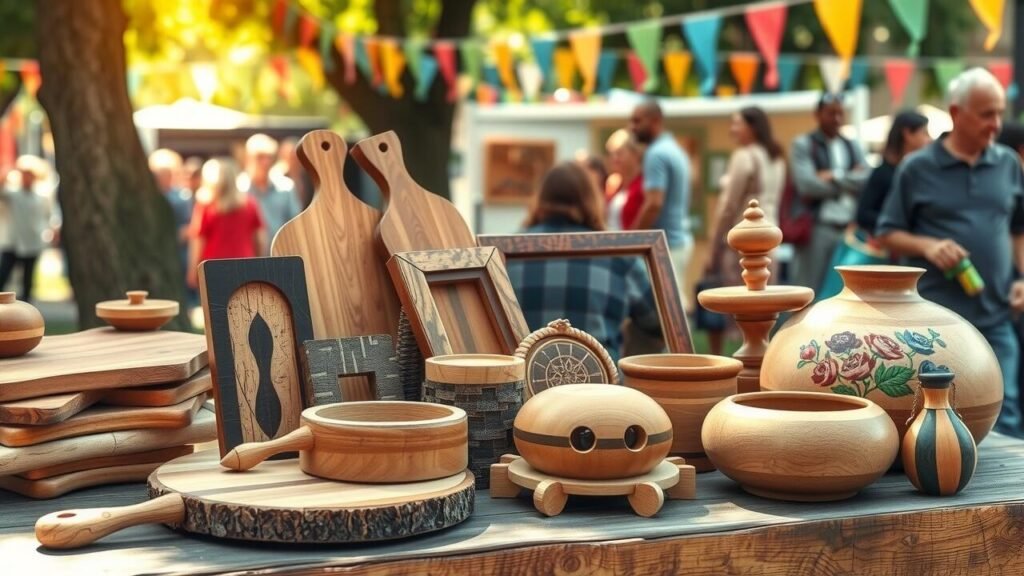
At a craft show, first impressions are crucial. An inviting display can draw in potential customers and create a memorable experience. Utilize colorful tablecloths, appealing backdrops, and thoughtful arrangement of your items to create a visually cohesive setup. Group similar products together and incorporate seasonal decorations to enhance the overall theme of your booth. Lighting can also play a significant role in highlighting your products, so consider using spotlights or fairy lights to create an enchanting atmosphere.
Packaging serves not only a practical purpose but also significantly contributes to the visual appeal of your products. Invest in quality packaging that reflects the essence of your brand. Consider using eco-friendly materials to attract environmentally-conscious consumers. Offer gift-wrapping options for items intended as presents to enhance customer satisfaction and encourage sales. Don’t forget to include signage that communicates prices and product information clearly, as this can help streamline the buying process for customers.
16,000 Woodworking Plans In One Place
- Use exact cutting and materials lists to reduce waste and mistakes
- Build confidently even if you’re a beginner with basic hand tools
- Cut down on costly do-overs with better planning and diagrams
Budgeting for Inventory
When planning your inventory for a craft show, it’s essential to establish a clear budget. Start by calculating the costs of raw materials, supplies, and production. Factor in additional expenses such as booth fees, promotional materials, and transportation. Having a detailed breakdown helps in understanding the financial requirements and potential sales targets needed to cover these costs.
As you evaluate your budget, think about the balance between cost and profit margins. Set pricing strategies that not only cover your expenses but also provide a reasonable profit. Consider offering a range of products at varying price points to attract different buyers. This approach ensures that you do not compromise on quality while still meeting your financial goals at the event.
Balancing Costs and Profit Margins
Understanding the relationship between costs and profit margins is crucial for successful participation in craft shows. Begin by calculating the total expenses associated with your inventory. This includes not only the cost of materials but also production time, packaging, and travel costs. Once you have a clear picture of your expenses, you can set pricing strategies that ensure sufficient profit while remaining attractive to potential customers.
Conducting market research can provide insights into acceptable price ranges for similar products. Customers may be willing to pay more for unique, high-quality items, but there is a limit to what can be charged. Keep track of sales to assess which products yield the best margins and adjust future inventory accordingly. Striking the right balance between affordability and profitability is essential in making your craft show venture sustainable.
FAQS
How do I determine the right amount of inventory to bring to a craft show?
To determine the right amount of inventory, consider factors such as past sales data, the expected foot traffic at the event, and seasonal demand. It’s also helpful to create a checklist based on your product categories to ensure a balanced representation.
What should I consider when adjusting my inventory for seasonal craft shows?
When adjusting your inventory for seasonal craft shows, take into account the themes and trends associated with each season, such as holidays or special events. Additionally, assess which products are likely to be in higher demand based on seasonal preferences.
How can I enhance the appeal of my products through packaging and presentation?
To enhance appeal, focus on using quality packaging that reflects your brand and the essence of your products. Consider using eye-catching displays, labeling, and arrangements that highlight your items effectively to draw in potential customers.
What factors should I keep in mind for budgeting my inventory for a craft show?
When budgeting for inventory, consider production costs, materials, and any additional expenses such as booth fees and packaging. It’s important to balance these costs with your expected profit margins to ensure a successful event.
Is it better to overstock or understock for a craft show?
It is generally better to find a balance between overstocking and understocking. Overstocking can lead to excess unsold items, while understocking may result in missed sales opportunities. Analyze past sales trends and plan accordingly to optimize your inventory.
Related Links
Best Wood Projects That Sell at Craft Shows (And How to Price Them)
Wood Projects That Sell at Craft Shows: Proven Winners + Display Tips
Best Craft Show Wood Items by Size and Price Range
Craft Show Booth Setup for Woodworkers: Simple Layout That Sells
Craft Show Pricing for Wood Items: Tags, Bundles, and Upsells
Packaging Ideas for Wood Products: Make Items Feel Premium
Best Finishes for Craft Show Items: Durable, Fast, and Good-Looking
Craft Show Product Mix: Gifts, Decor, and “Impulse Buy” Items
How to Accept Payments at Craft Shows: Simple Tools and Signs
What Sells Best at Holiday Craft Shows: Seasonal Wood Product Ideas
Detailed Blueprints That Guide Every Cut
- Follow step-by-step instructions that don’t skip crucial details
- Get new plans added regularly so you never run out of ideas
- Cut down on costly do-overs with better planning and diagrams