Assessing Required Skills
Avoid The Biggest Shop Setup Mistakes
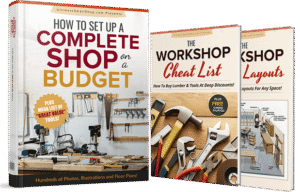
- Reduce costly upgrades by buying the right tools the first time
- Handle dust, ventilation, and airflow without complicated installations
- Skip hours of research by using a proven tool shortlist
Understanding the specific skills you wish to acquire is essential for choosing the right class. Begin by identifying your primary goals, whether it’s crafting furniture, creating unique gifts, or learning to sell products effectively. Each of these objectives will require different foundational skills. For instance, furniture-making may demand knowledge of woodworking techniques and material selection, while gift crafting could focus more on creativity and design principles.
It’s also important to consider how these skills align with your current abilities. Evaluating your existing experience will help you gauge which beginner classes are most suitable. If you have some familiarity with tools and techniques, a course that assumes basic knowledge might be a better fit. Alternatively, if you are starting from scratch, seek classes that offer comprehensive instruction on essential skills. This assessment will guide your selection process and enhance your learning experience.
Skill Levels for Beginners and Beyond
Understanding skill levels is essential when selecting a class that meets your needs. Beginners typically start with foundational skills, focusing on basic techniques and tools. As students progress, classes often mirror their growing knowledge and proficiency, introducing more complex projects and advanced methods. This progression helps individuals develop confidence in their abilities while ensuring they are not overwhelmed by tasks beyond their current capacity.
For those who have prior experience or want to quickly advance their skills, options for more advanced classes are available. These courses cater to specific interests, such as intricate furniture designs, unique gift creations, or effective selling strategies. Evaluating personal goals and desired skill acquisition will guide learners toward the appropriate class level, ensuring that the chosen course aligns with aspirations and fosters skill development.
Budget Considerations
Taking into account your budget is essential when selecting a beginner class. The cost of classes can vary significantly based on factors such as the instructor’s experience, the format of the class, and the materials provided. It’s important to outline what you can afford before diving deeper into your options. This ensures you won’t face surprises later on that could derail your learning journey.
In addition to the class fees, consider the expenses related to materials and tools necessary for your projects. Some classes may include these costs in the tuition, while others may require you to purchase supplies separately. Researching and estimating these additional expenses will help you gauge the overall investment needed. Balancing your finances against your learning objectives can guide you toward a class that fits comfortably within your means.
Cost of Classes and Materials
When considering a class, understanding the total cost is essential. Fees can vary significantly based on the type of class, location, and duration. Some classes may charge a one-time fee, while others might require a subscription model. Additionally, potential students should factor in material costs, which can also differ depending on the complexity of projects and whether materials are included in the tuition or need to be purchased separately.
Budgeting for classes means looking beyond just tuition. Some beginner courses offer starter kits that contain essential tools and materials, while others may expect participants to supply their own from the outset. It’s wise to research both class fees and material expenses to avoid unexpected financial burdens. Prospective students can find resources online that break down these costs further, ensuring they select an option that aligns with their financial situation and goals.
The Tool List You Actually Need
- Follow ready-to-use layouts for garages, basements, sheds, and corners
- Choose between hand tools and power tools based on your projects
- Plan lighting and electricity around your layout for safer work
Researching Instructors
When considering a class, the experience and qualifications of the instructor can greatly impact your learning journey. Look for instructors who have a strong background in the specific area you wish to explore, whether it’s furniture design, gift crafting, or selling techniques. Reading reviews and testimonials can provide insight into their teaching methods and effectiveness. Engaging with their previous students through social media or forums may also reveal valuable information about the learning experience.
Instructors who are active in their field often bring fresh perspectives and current trends into the classroom. Research their portfolios to assess their expertise and creative style. Many experienced teachers also share their knowledge in workshops or online platforms, which can further define their approach to teaching. Having a well-rounded understanding of an instructor’s qualifications will help you make an informed choice that aligns with your goals.
Finding Experienced Teachers
When searching for experienced teachers, consider exploring local craft stores, community centers, or online platforms dedicated to your specific interest. Look for instructors with strong portfolios and positive reviews from past students. An experienced teacher often showcases their expertise through well-documented projects or a professional background in the field, making it easier to assess their skills. Engaging with local craft communities can also lead to valuable recommendations and connections.
Attending workshops or informational sessions can provide a closer look at teaching styles and the techniques employed by potential instructors. Observing a class firsthand allows you to gauge the teacher’s ability to communicate concepts effectively. Pay attention to how they interact with students and their willingness to provide individualized attention. This clarity in approach will help ensure you find a teacher who not only aligns with your learning goals but also enhances your overall crafting experience.
FAQS
What factors should I consider when assessing my required skills for a beginner class?
When assessing your required skills, consider your current knowledge level, the specific skills you want to learn, and how they align with your goals, whether it’s making furniture, creating gifts, or preparing for selling.
How can I determine the right skill level for my class?
To determine the right skill level, evaluate your past experiences and comfort with similar tasks. Beginner classes are generally designed for those with little to no experience, while intermediate classes may require some foundational knowledge.
What budget should I plan for when enrolling in a beginner class?
Your budget should account for class fees, materials, and any additional costs such as tools or equipment needed for the class. It’s advisable to research various options to find a class that fits your financial plan.
Are there any hidden costs associated with attending a beginner class?
Yes, hidden costs may include materials, tools, or registration fees that are not explicitly stated upfront. Always ask the instructor about any additional costs before enrolling.
How can I find qualified instructors for the classes I’m interested in?
Look for reviews, testimonials, and recommendations from previous students. You can also check their qualifications, experience, and teaching style to ensure they meet your learning needs.
Related Links
Woodworking Classes for Beginners: Go From Zero Skills to Your First Build
Beginner Woodworking Skill Path: What to Learn in the First 30 Days
Beginner Class Mistakes: What to Ask Before You Enroll
What to Bring to a Beginner Woodworking Class (Tools, PPE, Notes)
After Your First Class: The Best Practice Projects to Build Next
Beginner Class vs Self-Teaching: Which Gets Results Faster?
Beginner Woodworking Class Checklist: What You Should Learn First
Best Beginner Woodworking Topics: Safety, Measuring, and Joinery
How to Choose a Beginner Woodworking Class That’s Actually Helpful
Woodworking Classes for Beginners: Start Confidently Without Feeling Lost
Turn Any Spare Space Into Shop
- Follow ready-to-use layouts for garages, basements, sheds, and corners
- Get shopping lists for hand-tool only setups and mixed tool shops
- Set up a shop you’ll actually enjoy working in