Tool Maintenance and Care
Avoid The Biggest Shop Setup Mistakes

- Reduce costly upgrades by buying the right tools the first time
- Handle dust, ventilation, and airflow without complicated installations
- Skip hours of research by using a proven tool shortlist
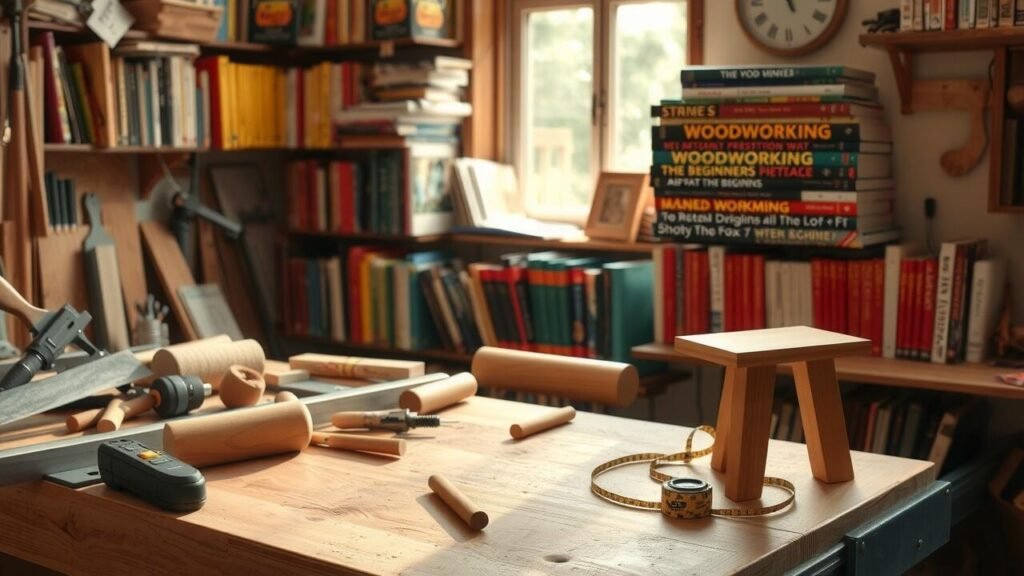
Proper maintenance of woodworking tools ensures their longevity and effectiveness. Regular cleaning helps to remove sap, dust, and other debris that can accumulate and hinder performance. Additionally, routine inspection for signs of wear or damage is essential. This practice allows woodworkers to catch problems early, preventing further issues that can arise from neglect.
Lubricating moving parts can make a significant difference in the operation of tools. Oil hinges, saw blades, and other components to maintain smooth functioning. Sharpening cutting edges also plays a crucial role in achieving precise cuts. Dull tools not only lead to frustration but can also compromise the quality of your work. Taking the time to care for your equipment lays the groundwork for successful and enjoyable woodworking endeavors.
Keeping Your Tools in Top Condition
Regular maintenance is essential for ensuring the longevity and effectiveness of your woodworking tools. Cleaning your tools after each use prevents the accumulation of resin, dust, and moisture that can lead to rust and decay. It is important to inspect cutting edges for dullness and damage, as a well-maintained blade or chisel can significantly enhance your accuracy and finish. Lubricating moving parts with appropriate oils will keep mechanisms functioning smoothly, reducing wear and tear over time.
Storage also plays a crucial role in tool preservation. Utilizing protective cases or wall-mounted racks helps avoid accidental damage and keeps tools organized. A climate-controlled environment minimizes the risk of rust and other forms of deterioration caused by humidity and temperature fluctuations. Taking the time to establish a routine for tool care will maximize performance and ultimately make your woodworking experiences more enjoyable.
Material Selection for Projects
Choosing the right materials is essential for any woodworking project. Different types of wood have unique properties, which can affect the final outcome of your work. For instance, hardwoods like oak and walnut offer durability and a refined appearance, making them ideal for furniture. Softwoods such as pine and cedar are often easier to work with and more affordable, serving well for projects like shelving or outdoor furniture where cost and weight are important.
Beyond wood types, considering the specific characteristics of each material will enhance your overall results. Factors such as grain patterns, color variations, and moisture content play crucial roles in how the wood behaves during cutting, shaping, and finishing. It’s important to match the selected materials not only to the project requirements but also to your skill level and tool capabilities. This thoughtful approach helps avoid common pitfalls and ensures a smoother crafting experience.
Understanding Different Types of Wood
When selecting wood for your projects, it is essential to recognize the characteristics of various species. Hardwoods such as oak, maple, and cherry are known for their durability and fine grain, making them ideal for furniture and cabinetry. Softwoods like pine and cedar, on the other hand, are lighter and easier to work with. They often serve well for constructing frames and outdoor furniture due to their natural resistance to decay.
Different woods also exhibit distinct colors, textures, and finishes. Some species take stain and finish beautifully, enhancing the natural grain patterns, while others may require different treatment methods. Understanding the specific properties of each type of wood can significantly affect the outcome of your projects. Choosing the right material not only impacts the visual aesthetic but can also influence the project’s longevity and functionality.
The Tool List You Actually Need
- Follow ready-to-use layouts for garages, basements, sheds, and corners
- Choose between hand tools and power tools based on your projects
- Plan lighting and electricity around your layout for safer work
Digital Tools for Planning Projects
In the realm of woodworking, utilizing digital tools can profoundly enhance project planning. Various software options simplify the design process, allowing users to create detailed plans and visualizations before commencing physical work. Many programs also offer 3D modeling features, which provide a clearer understanding of proportions and layouts, helping artisans to foresee potential challenges early on. Adjustments can be made easily, fostering a more efficient workflow.
Project management apps have become invaluable for tracking progress and organizing tasks. These tools allow woodworkers to break down large projects into manageable steps, ensuring nothing is overlooked. Users can set deadlines, allocate resources, and maintain a checklist to monitor completion status. With real-time updates and notifications, these apps encourage accountability while providing a structured approach to time management in woodworking endeavors.
Software and Apps for Project Management
There are several software options available that can streamline the planning and execution of woodworking projects. Programs like SketchUp offer intuitive interfaces for 3D modeling, allowing users to visualize their projects before cutting any materials. Such tools not only help in creating accurate designs but also assist in ensuring all elements fit together properly. Additionally, project management apps like Trello or Asana can be beneficial for organizing tasks and tracking progress, making it easier to stay on schedule.
Utilizing these digital tools can significantly enhance efficiency in woodworking endeavors. They facilitate better communication and collaboration among team members, especially in group projects. Furthermore, many of these applications provide templates tailored to woodworking, enabling users to adapt their project plans easily. With the right software in hand, managing resources, timelines, and designs can become a more manageable and productive experience.
FAQS
What basic tools do I need to get started with online woodworking classes?
To get started, you typically need basic tools such as a saw (hand saw or circular saw), a hammer, a tape measure, a square, chisels, and a drill.
How can I maintain my woodworking tools?
Regular maintenance involves cleaning your tools after each use, oiling metal parts to prevent rust, sharpening blades, and checking for any damage or wear.
What types of wood are best for beginners?
Beginners often start with softer woods like pine or poplar, which are easier to work with and more forgiving during the learning process.
Are digital tools necessary for woodworking projects?
While not strictly necessary, digital tools such as project management software and design apps can greatly enhance your planning and efficiency, making it easier to visualize and organize your projects.
How do I choose the right type of wood for my project?
The right type of wood depends on the project’s purpose, desired finish, and durability needs. Consider factors such as grain, strength, and color to make an informed choice.
Related Links
Best Woodworking Classes Online: Master the Craft Without Leaving Home
Beginner Skills to Master in Any Online Class (Cuts, Joinery, Safety)
How to Stay Motivated and Finish an Online Woodworking Class
How to Choose an Online Woodworking Course That Fits Your Goals
Is an Online Woodworking Course Worth It? Pros, Cons, and Best Fit
Woodworking Course Curriculum: What a Solid Program Should Include
Online Woodworking Class Reviews: How to Spot a Good Course
Online Class vs Plan Package: Which Helps You Finish Projects Faster?
Best Online Woodworking Classes for Beginners: What You’ll Learn First
Woodworking Classes Online: The Best Way to Learn Faster at Home
Turn Any Spare Space Into Shop
- Follow ready-to-use layouts for garages, basements, sheds, and corners
- Get shopping lists for hand-tool only setups and mixed tool shops
- Set up a shop you’ll actually enjoy working in