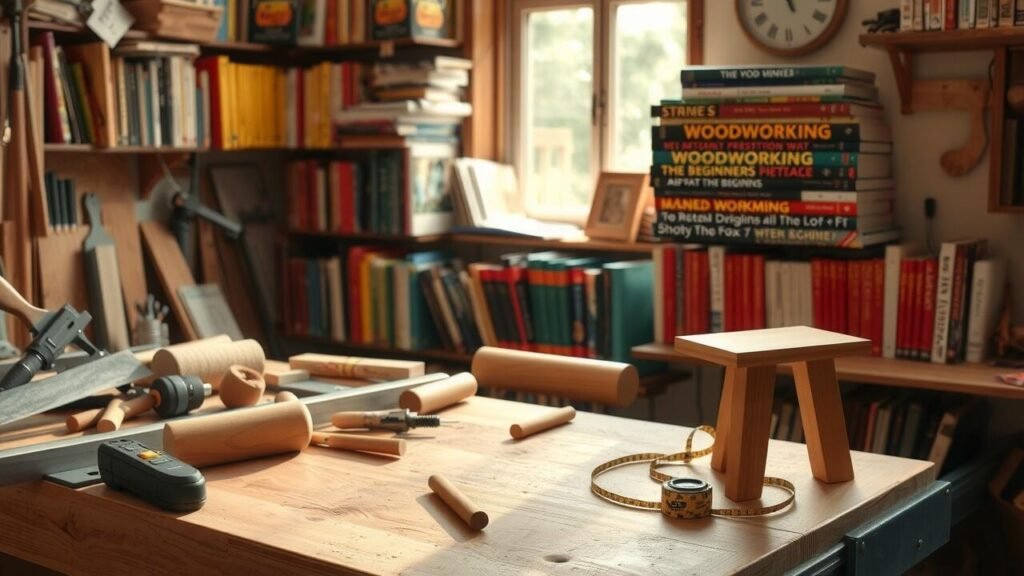
Books for DIY Projects
Avoid The Biggest Shop Setup Mistakes
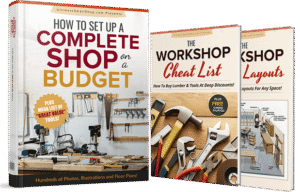
- Reduce costly upgrades by buying the right tools the first time
- Handle dust, ventilation, and airflow without complicated installations
- Skip hours of research by using a proven tool shortlist
For those eager to dive into the realm of DIY projects, selecting the right books can significantly streamline the learning process. Many guides cater specifically to beginners, offering step-by-step instructions for a variety of tasks. Look for titles that not only cover the basics but also include helpful illustrations and tips. Practical advice on tool usage and safety is essential for building a solid foundation while exploring new skills.
Additionally, books that focus on specific types of projects, such as woodworking or home improvement, can provide targeted insights. These guides often break down complex tasks into more manageable steps, allowing readers to progress at their own pace. Understanding the purpose and application of each tool mentioned enhances the learning experience, ensuring that beginners feel confident as they take on their first DIY endeavors.
Projects That Enhance Your Skills
Engaging in DIY projects not only fosters creativity but also provides a practical way to enhance your skills. From building a simple bookshelf to crafting a birdhouse, each project presents unique challenges. Beginners can learn essential techniques such as measuring, cutting, and assembly, which form the foundation for more complex endeavors. Additionally, tackling various materials like wood, metal, or fabric introduces diverse methods suitable for different crafting styles.
While some projects may seem daunting at first, they serve as valuable learning experiences. Many guidebooks feature step-by-step instructions for projects that gradually increase in difficulty. This structured approach allows novices to build confidence as they progress. Along the way, designers can experiment with tools, learn about safety protocols, and develop a better understanding of the creative process. Choosing projects thoughtfully can significantly boost one’s capabilities while providing a sense of accomplishment.
What to Avoid in Tool Guide Books
When selecting tool guide books, steer clear of those that are overly technical and lack clear explanations. Many books delve into complex jargon without providing adequate context, making it challenging for beginners to grasp essential concepts. Look for books that break down information into digestible sections, ensuring that even novice users can follow along without feeling overwhelmed. A straightforward writing style can significantly enhance the learning experience, allowing readers to focus on developing their skills rather than deciphering complicated language.
Additionally, beware of guides that promise quick fixes or shortcuts to mastery. Many of these publications may gloss over important foundational principles, leading to gaps in knowledge that could hinder progress in DIY projects. It’s crucial to choose resources that emphasize the importance of practice and the learning process. Quality tool guide books should encourage readers to take their time, understand the tools and techniques, and develop a solid base that fosters confidence in their abilities.
Common Pitfalls of Poorly Written Guides
Many beginners find themselves overwhelmed by the sheer amount of information in poorly written guides. These books often lack clear instructions or assume a level of expertise that novices simply do not have. Ambiguous language can lead to confusion, and convoluted explanations only serve to frustrate readers. Additionally, omission of essential details can result in mishaps during projects, leaving enthusiasts disheartened and unsure of how to proceed.
Another common issue is the tendency of some guides to focus excessively on specific brands or tools. This bias can alienate readers who may prefer alternatives or cannot afford higher-end products. When resources fail to present a balanced view, they limit the reader’s ability to make informed decisions. Ultimately, the right guide should empower beginners rather than hinder their progress or misguide them in their DIY endeavors.
The Tool List You Actually Need
- Follow ready-to-use layouts for garages, basements, sheds, and corners
- Choose between hand tools and power tools based on your projects
- Plan lighting and electricity around your layout for safer work
Cost Considerations
When selecting tool guide books, it is essential to weigh their cost against the value they provide. Prices can vary significantly from one publication to another, often reflecting the depth of information, quality of illustrations, and the reputation of the author. Budget-conscious beginners may lean towards more affordable options, but a low price doesn’t always guarantee comprehensive insights. Investing in a more expensive book can sometimes lead to time and money saved on projects due to better guidance.
Additionally, consider the long-term benefits of your purchase. A well-crafted guidebook not only offers immediate assistance with current projects but can become a valuable reference for years to come. Think about how often you might use the book and the skills you hope to develop. In this context, a higher upfront cost may translate into greater returns in terms of knowledge and practical applications, making it a worthwhile addition to your growing toolkit.
Evaluating Value vs. Expense
When considering tool guide books, it is essential to assess the balance between their cost and the value they provide. A pricier book may seem unjustified if it fails to deliver practical insights or clear instructions. Conversely, a more affordable option might offer invaluable tips or techniques that significantly enhance a beginner’s understanding of tools and their applications. Readers should prioritize content quality over the price tag.
Investing time into reading reviews and ratings can offer insights into a book’s actual worth. Recommendations from experienced DIY enthusiasts can highlight which guides truly stand the test of time, featuring comprehensive knowledge that outweighs their cost. Evaluating both the immediate and long-term benefits of a book ensures that your purchase contributes positively to your DIY journey.
FAQS
What should I look for in a beginner tool guide book?
Look for clear instructions, step-by-step projects, illustrations, and a focus on essential tools for DIY tasks. Reviews and recommendations can also help gauge the book’s usefulness.
Are there specific projects that I should start with as a beginner?
Yes, consider starting with simple projects like building a birdhouse, creating a shelf, or doing basic repairs. These will help enhance your skills while keeping the experience enjoyable.
What types of tool guide books should I avoid?
Avoid books that are overly technical, lack clear explanations, or focus heavily on advanced techniques that may not be suitable for beginners. Poorly organized content can also be a red flag.
How can I determine if a tool guide book is worth the investment?
Evaluate the book’s content against its price by considering factors such as the number of projects, the clarity of instructions, and user reviews. If it offers a variety of practical skills, it’s likely worth the cost.
Should I invest in multiple tool guide books or just one?
It depends on your learning style and needs. One comprehensive book can suffice, but multiple books can provide diverse perspectives and techniques. Start with one and expand as needed.
Related Links
7 Essential Woodworking Books for Beginners (That Actually Teach)
What to Read First: A Simple Order to Learn Woodworking
Woodworking Book Red Flags: Signs a Book Won’t Help You Build
Beginner Project Books: 10 Builds That Teach Real Skills
How to Choose a Beginner Woodworking Book You’ll Actually Use
Best Books to Learn Joinery: Simple Explanations and Clear Diagrams
Books vs Courses vs Plans: What Helps Beginners Finish Projects
Beginner Woodworking Books With Plans: The Most Practical Choices
Best Woodworking Books for Beginners: Top Picks by Learning Style
Woodworking Books for Beginners: The Fastest Way to Learn the Basics
Turn Any Spare Space Into Shop
- Follow ready-to-use layouts for garages, basements, sheds, and corners
- Get shopping lists for hand-tool only setups and mixed tool shops
- Set up a shop you’ll actually enjoy working in