Build 5
Avoid The Biggest Shop Setup Mistakes
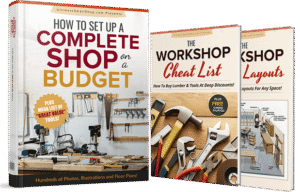
- Reduce costly upgrades by buying the right tools the first time
- Handle dust, ventilation, and airflow without complicated installations
- Skip hours of research by using a proven tool shortlist
Creating a homemade candle holder offers a fantastic introduction to basic crafting techniques. This project allows beginners to explore woodwork, metalwork, or even glass art, depending on the materials they choose. Commonly used items include wooden blocks, tin cans, and glass jars. Tools like drills and saws can be utilized for shaping, while sandpaper ensures smooth edges. Safety should be a priority, so simply wearing protective gear can go a long way.
Selecting the right finishing materials enhances the aesthetic value of the candle holder. Paint, wood stains, or decorative paper can be applied to personalize the piece further. Adding embellishments such as twine or beads adds charm and makes the project uniquely your own. The versatility of this simple build makes it an enjoyable way to practice essential skills, leading to the creation of a functional home item.
Materials and Techniques for Success
To create a homemade candle holder, you will need a few essential materials such as wax, wick, and a suitable container. Beeswax or paraffin wax are great choices for beginners. A candle wick can be purchased in various sizes, so ensure it matches your chosen container dimensions. Additionally, consider adding fragrance oils or colorants to customize your candle to your liking. Experimenting with different molds can also yield unique designs and shapes.
When it comes to techniques, start by melting the wax in a double boiler, which prevents overheating and ensures even melting. Carefully secure the wick in the center of your container with a bit of melted wax. Pour the melted wax slowly, avoiding bubbles. Allow the candle to cool for several hours before trimming the wick to the desired length. This project not only teaches valuable skills but also results in a beautiful, functional piece for your home.
Build 6
Embarking on a simple sewing project offers a fantastic opportunity for beginners to learn the basics of fabric manipulation and stitching techniques. A sewing kit containing essential tools like scissors, machine needles, and thread is a good starting point. Pre-washed fabrics that are easy to handle, such as cotton or muslin, allow for a smooth learning experience. Opt for simple patterns like pillowcases or tote bags, which require minimal cutting and assembly. This type of project not only builds confidence but also results in a useful item that can enhance a beginner’s sewing skills.
For those starting out, selecting the right fabric plays a crucial role in the success of the project. Cotton is widely regarded as a beginner-friendly option, providing ease of sewing and a pleasant tactile experience. Choosing a pattern with clear instructions helps to streamline the crafting process. Many patterns will include helpful diagrams and step-by-step directions, ensuring the learning curve remains manageable. By focusing on a straightforward design and durable materials, beginners can effectively cultivate their creativity while gaining a foundational understanding of sewing basics.
Best Fabrics and Patterns for Beginners
When starting your sewing journey, choosing the right fabrics can significantly impact your experience. Cotton is an excellent option for beginners due to its ease of handling and versatility. It comes in a wide variety of colors and prints, making it suitable for numerous projects. Other good choices include linen and jersey knit, which offer different textures and draping capabilities. Choosing fabrics that don’t slip around while you’re sewing will make your projects easier and more enjoyable.
Patterns designed for beginners should be simple and straightforward, facilitating a greater learning experience. Look for designs labeled as “easy” or “beginner-friendly.” These patterns typically have fewer pieces and simpler instructions, allowing newcomers to focus on mastering basic techniques. Practice with items like tote bags, simple skirts, or pillowcases, which offer enough structure without overwhelming complexity. Starting with these manageable projects can help build confidence and encourage further exploration of sewing skills.
The Tool List You Actually Need
- Follow ready-to-use layouts for garages, basements, sheds, and corners
- Choose between hand tools and power tools based on your projects
- Plan lighting and electricity around your layout for safer work
Build 7
Acquiring basic home repair skills is a practical step for anyone looking to enhance their self-sufficiency. These skills encompass a range of tasks, from fixing leaky faucets to repairing drywall and even simple electrical work. Learning to tackle common household issues not only saves money but also builds confidence in handling maintenance challenges. Engaging in small projects can instill a sense of accomplishment and competence, making it easier to approach more complex repairs over time.
Essential tools for every homeowner play a crucial role in executing repairs effectively. A basic toolkit should include a hammer, screwdrivers of various sizes, a tape measure, pliers, and a cordless drill. Familiarity with these tools allows individuals to execute repairs with precision. Understanding how to safely use them is paramount. Investing time in learning about proper techniques ensures durable results and minimizes the risk of injury. Through practice and experience, anyone can transform their living space while mastering valuable skills.
Essential Tools for Every Homeowner
Having the right tools on hand enables any homeowner to tackle basic repairs and maintenance tasks. A sturdy hammer is indispensable for driving nails into walls, hanging pictures, and assembling furniture. A set of screwdrivers, including both flathead and Phillips types, is crucial for tightening screws and making adjustments. Measuring tape ensures accuracy in any project, while a level guarantees alignment in hanging items or installing shelves.
Additionally, a cordless drill can simplify tasks that require drilling holes or driving screws, making it one of the most versatile tools for home use. A utility knife comes in handy for various cutting tasks, from opening boxes to trimming materials. Safety goggles and work gloves provide protection during repairs, ensuring that homeowners can work safely while developing their skills. Having these essential tools readily available can empower individuals to confidently address minor issues around the house.
FAQS
What are beginner project books?
Beginner project books are instructional guides designed to help novice crafters and DIY enthusiasts learn new skills through hands-on projects. They typically include step-by-step instructions, materials lists, and tips for successfully completing each project.
What skills can I learn from these beginner projects?
The projects in beginner project books cover a range of skills, including crafting, sewing, home repair, and basic woodworking. Each project is designed to build confidence and competence in a particular area, allowing you to develop practical skills for everyday tasks.
Are the projects in these books suitable for children?
Many beginner projects can be adapted for children with adult supervision. However, it’s important to review the materials and techniques to ensure they are safe and age-appropriate for young crafters.
Do I need prior experience to complete the projects in these books?
No prior experience is required for most beginner projects. The instructions are designed to be clear and accessible, making them suitable for individuals who are new to the skills being taught.
Where can I find beginner project books?
Beginner project books can be found at local bookstores, libraries, and online retailers. You can also explore eBooks or digital platforms that specialize in DIY and crafting guides.
Related Links
7 Essential Woodworking Books for Beginners (That Actually Teach)
What to Read First: A Simple Order to Learn Woodworking
Woodworking Book Red Flags: Signs a Book Won’t Help You Build
How to Choose a Beginner Woodworking Book You’ll Actually Use
Best Books to Learn Joinery: Simple Explanations and Clear Diagrams
Beginner Tool Guide Books: What to Buy (and What to Skip)
Books vs Courses vs Plans: What Helps Beginners Finish Projects
Beginner Woodworking Books With Plans: The Most Practical Choices
Best Woodworking Books for Beginners: Top Picks by Learning Style
Woodworking Books for Beginners: The Fastest Way to Learn the Basics
Turn Any Spare Space Into Shop
- Follow ready-to-use layouts for garages, basements, sheds, and corners
- Get shopping lists for hand-tool only setups and mixed tool shops
- Set up a shop you’ll actually enjoy working in